
Kids Safety
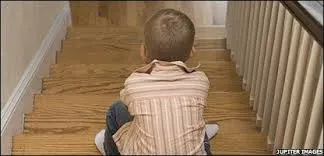 There is an increasing number of parents who must leave their children at home alone in order to work to support them financially. Both single and dual parent households face this dilemma. Often, children come home after school and are on their own for a few hours until a parent gets home from the job. There are a variety of situations and reasons why some parents cannot avoid this situation. There are a few solid steps that you can take to help ensure that your children are safe when they are on their own at home.
Reasons why there are so many latch key kids
Most single parents have to work long hours to provide for the basic needs of their families. The cost of childcare may be out of reach for them, making it necessary to be away from the children after school. In many cases, dual parent households are facing the same circumstances. For those who are not fortunate enough to have relatives who are willing to keep an eye on the children, there are few options available.
Have a talk to prepare your child for time alone
The first step is sitting down with your child or children and explaining clearly why you will be gone, how long they will be left alone and what the expected behavior of their parts will be. This will help your child to understand why they will be on their own and give them some reasonable expectations of when you will return. There is some security in your child knowing the timelines. Let your child know that this is a time for them to show how responsible that they can be. It can actually help your child to feel important as they are taking on additional responsibilities.
Prepare your child with emergency contact information
In addition to providing your child with a house key for entry, you must provide your child with all of the necessary emergency contact information. Make certain that you include your work number, your mobile phone number, and the names and phone numbers of the people that they can contact for immediate help if needed. This could include nearby relatives or trusted friends and neighbors. Let your child know when they should seek help and that it is better to call for help than to have a problem arise that they cannot handle. Write out the information clearly on a piece of paper, go over it with your child and then post it in a visible area such as on the refrigerator or message board in the home. The list should also include emergency numbers such as 911.
Go over a scenario with your child
It is a good idea to ask your child what they would do in a few different situations. This will help them to think about how they would respond in a variety of situations. It will also help to give you some peace of mind and an idea of your child’s maturity level and coping skills. For example, ask what they would do if a stranger knocked on the door, or if somebody calls and asks for you when you’re not home.
Assess your child’s maturity level and put someone in charge
This will help you to establish the rules of conduct while your child is alone. For example, younger children should not try to cook or operate any potentially dangerous appliances without adult supervision. If there are younger children that will be home, outline who is in charge in your absence. Make this a hard and fast rule for all children involved. This will give your older child more authority to ensure that everyone follows the rules that you have established.
Establish a routine
If your children have chores that can be safely completed in your absence, this is a good time to have them do them. It will serve as a time filler while they are waiting for your return. For example, you may set out pre-made after school snacks for them. After snacks they could finish any homework that they need to complete.
Set clear rules of conduct
When you are talking with your children, set down clear rules of conduct when you are out of the home. This includes knowing who is in charge, what activities are allowed, and which ones are not. For example, you may not want your children to use the stove, but they can use their gaming equipment such as X boy or play station. You may place one child in charge and the others must fall into line with obeying when this child tells them that they have to do their homework, or that they cannot go outside and play. These rules must be reinforced by the parent until the younger children become accustomed to any new rules that are set in place. It can take a while for them to adapt to an older sibling being in charge, but it is necessary to keep them safe.
No friends should be allowed to visit while you are away. There are a few good reasons for this. Even if the child is responsible, accidents can happen, and young people can make costly mistakes in judgment. If a friend of your child is visiting while you are away and becomes injured, you will most likely be liable for any injuries or damages. Tripping on the back porch, cutting themselves with a kitchen knife or any in a long line of accident situations can occur. It is best to avoid the increased potential for accidents and liability for the safety of other children by simply not allowing them over while you are out of the home.
Strict rules on visiting friends while you are gone
Unless you have pre-arranged for your child to go to the home of a friend, they should follow the set rules and come home at the appointed time and stay put. Your child should understand that they are not allowed to come and go as they please. There are many children who have been abducted on the way to visit a friend. You need to know where your child is at all times and they need to understand that leaving the home without permission is not allowed.
If certain areas or activities are strictly off limits while you are gone, be very clear about this. For example, there may be items in the garage or the shop that could be dangerous. You may not want your child to play in the basement or in the attic. Your bedroom may be off limits. You may want to control the amount of time that your child is on the internet or watching television. By setting clear rules and expectations, your child is less likely to stray from following them.
Establish a safety plan
One of the most important things that you can do to help keep your child safe when staying home alone is to clearly outline a safety plan. This should include phone etiquette, answering the front door, what type of equipment they can use and going outdoors. If a phone call comes in for you when you are away, they should tell the party that you are not available but they will give you the message when you are free. They should never tell a stranger that you are not home. If a stranger knocks at the door, they should not answer the door. If the stranger is persistent or tries to come in the home, they should call 911 and then call you or a nearby friend, relative or neighbor.
Tell your child what they should do in case a fire breaks out. This is helpful for the entire family whether home alone or not. Show them the fire escape route that will work best for your particular floor plan. It’s always a good idea to have a fire drill so everyone will know their roles in the event of a fire. When you are gone, let the children know what the priorities are and who is in charge of getting the younger ones to safety while protecting themselves. Practice can help your child or children to have more confidence and know better what to do if this should happen.
First Aid Kits
Have a fully equipped first aid kit available for the child in charge. Go over all of the contents of the kit and show your child how to use the items. This can come in handy for cuts and scrapes that are not of a serious nature. Make sure that your child knows that they should call and let you or another nearby person on the contact list know if there is an accident or an injury. The level of your child’s maturity will determine if they are able to make the call on how serious it is and if an adult needs to be consulted.
Secure all potential dangers from your child
If you have firearms in the home, they should be under lock and key and the child should not have access to them. Even the most well intentioned and mature kids can have a lapse in judgment and this is when a tragic accident can happen. If there are dangerous chemicals in the home, make sure that they are secured in a safe location out of the reach of your children. This can help you to avoid any type of accidental poisoning situations or chemical burns from mishandling cleaning products. The same goes for any prescription medications. They should all be kept in childproof containers that are high out of the reach of younger children.
Turn your hot water heater to a reasonable temperature. There are many homes which maintain a high temperature on the hot water settings. This can be a scalding danger for children in the home whether you are home or not. It is best to eliminate this possibility by being proactive and setting it to a temperature that cannot cause injury.
Check in on an hourly basis
While you are away you should call your child every hour to make sure that everything is going as it should. This serves two purposes. It lets the child know that you are available, and it helps you to know that your child is doing okay in the situation. If you are unavailable to call your child, have a trusted friend, relative or neighbor check in with them. By establishing a check in system, you are giving the child an added opportunity to tell someone if they have any concerns. It will also give them an additional sense of security in knowing that someone cares and that help is available if they need it.
Home security systems with interactive smartphone features
Install a home security system that includes applications for your smart phone. This is an excellent means of monitoring the activities in your home and ensuring that your children are safe and secure. Having this first hand knowledge can help you to have added peace of mind instead of relying upon a third party to tell you. These systems can alert you to any potential issues before they become problems. It helps you to more fully monitor what is going on in the home while you are away.
Leaving your child home alone may be a nerve wracking experience in the beginning, but by following the above recommendations, you can rest easier in knowing that you have made provisions to increase the safety of your child while you are away. This can be viewed as an excellent opportunity to help your child to reach new levels of responsibility and maturity. It gives them the chance to stretch and grow as they will learn how to function appropriately when they are on their own in other situations. The art of stopping to think before we act is a skill that we all must learn. After the family adjusts to the new rules and circumstances, there is a chance for each to have a deeper appreciation for the other as it involves every member of the family stepping up to the plate to pitch in and help out in a team effort.